Freiburg Infectiology and Hygiene Congress
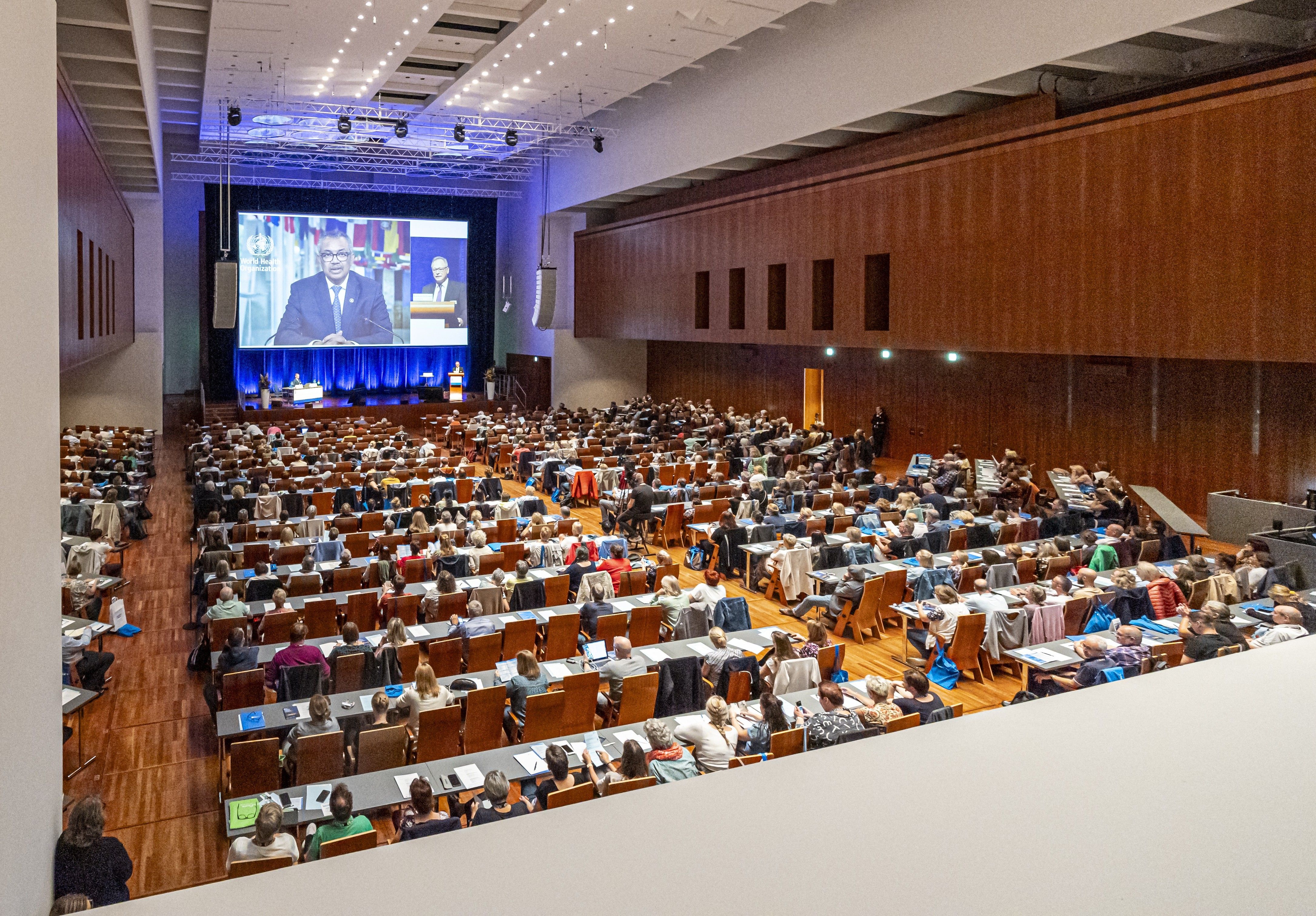
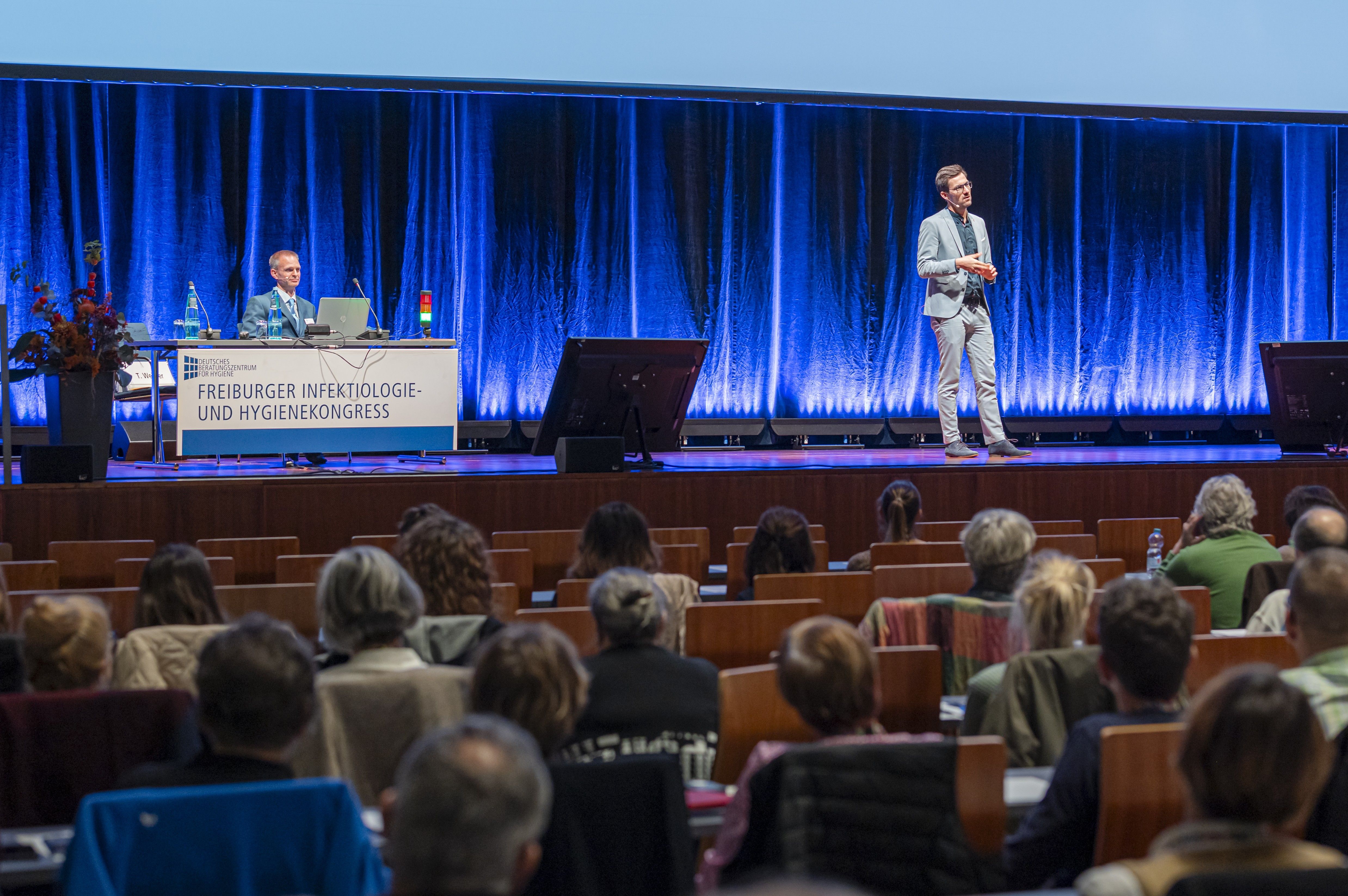
The German Advisory Center for Hygiene invites you to the Freiburg Infectiology and Hygiene Congress in Freiburg from October 7 to 9, 2026 under the patronage of Federal Minister of Health Nina Warken. Over three days, the congress will discuss current issues in hospital hygiene and infectiology with renowned experts from Germany, Austria and Switzerland - from guideline work, surveillance and prevention to diagnostics and care practice - and will offer space for exchange with breaks and an industry exhibition. On Wednesday, the focus will be on the opening, international perspectives (hygiene in development projects) and updates from ART, STIKO and KRINKO; MRE at the animal-human interface and lessons learned from outbreaks will also be highlighted. Thursday will bring together study highlights, requirements for medical device reprocessing, digitalization and AI in hygiene and antibiotic stewardship as well as future topics in microbiological diagnostics including fungal diagnostics and genomic surveillance; practical "hygiene-in-use" formats from different settings and an exciting lecture on "What we can learn from the body" by the well-known author Dr Giulia Enders will round off the day. Friday's topics include 3-MRGN and how to deal with them in everyday clinical practice, cooperation with the public health service, sepsis quality assurance, occupational health and safety and risk analyses as well as special situations such as in-hospital disaster medicine, air rescue and special isolation wards.
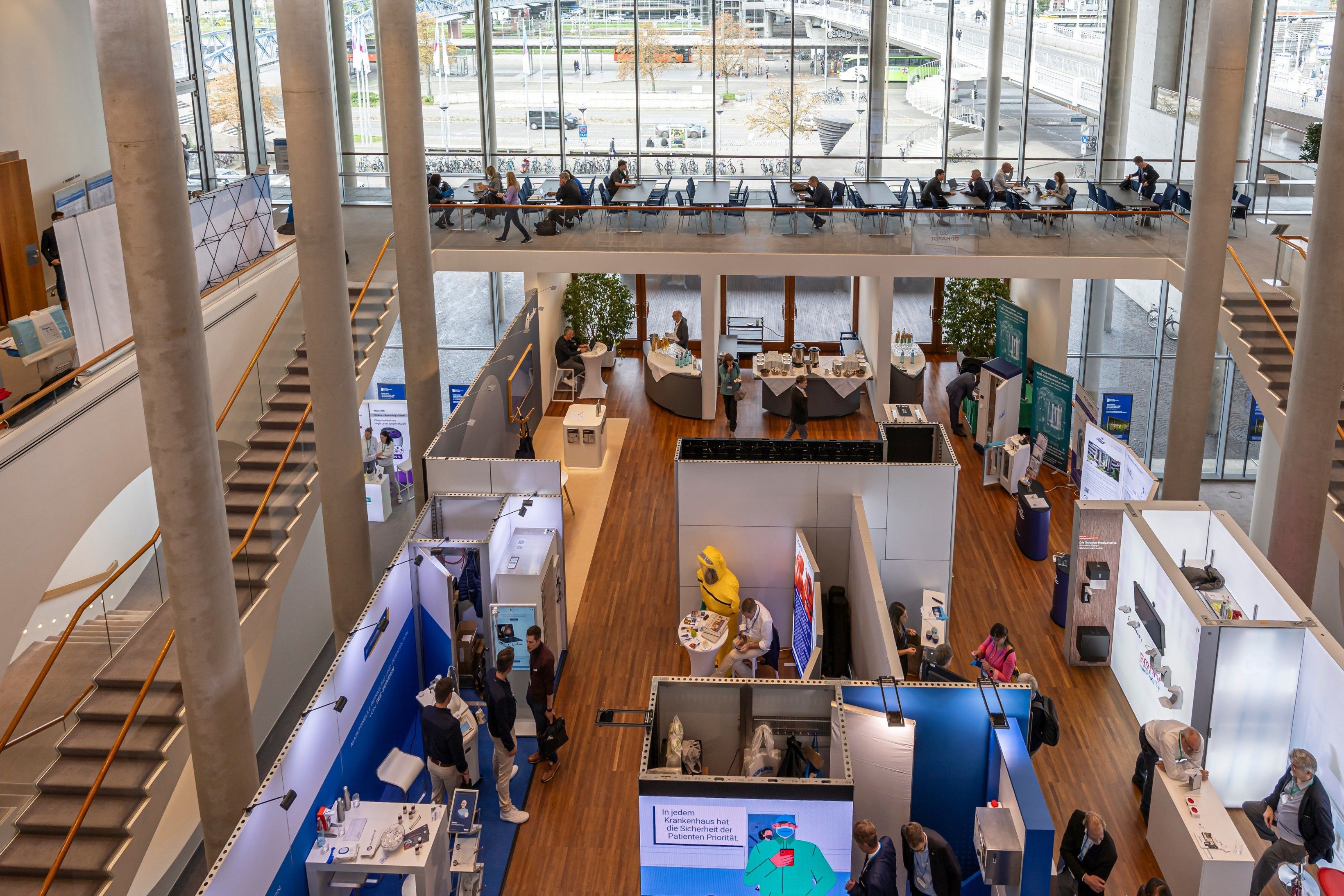
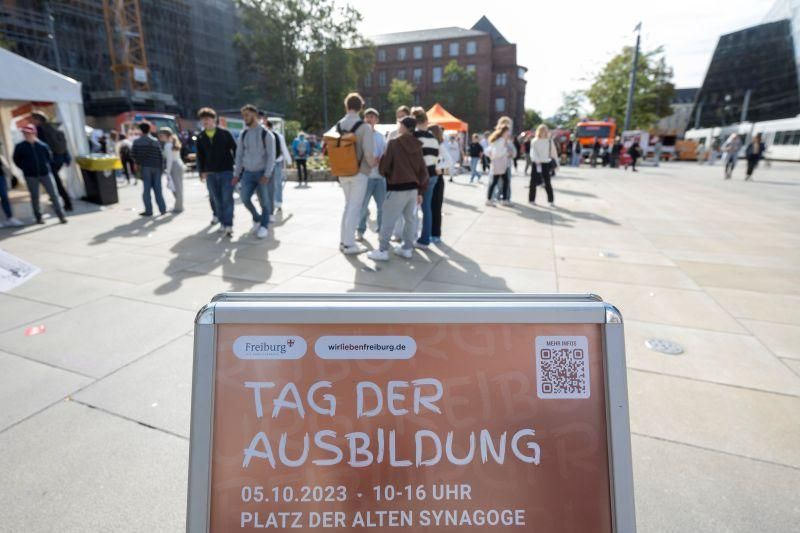
The German Advisory Center for Hygiene invites you to the Freiburg Infectiology and Hygiene Congress from October 7 to 9, 2026 under the patronage of Federal Minister of Health Nina Warken in the historic Baden metropolis on the Dreisam River. Over three days, the congress with renowned experts from Germany, Austria and Switzerland will focus on central issues of hospital hygiene, infectiology, diagnostics and healthcare practice. The program combines scientific classification, field reports from everyday life and discussions on current developments in guidelines, surveillance and prevention. In addition to the lectures, breaks offer space for exchange and networking and the accompanying industry exhibition provides opportunities for information and questions.
Wednesday starts with the opening and welcome address by Dr. Ernst Tabori and greetings from the Ministry of Health and the City of Freiburg, followed by an introduction by the President of the Robert Koch Institute, Prof. Dr. Lars Schaade. In terms of content, the morning will focus on hygiene in development projects and thus on the framework conditions, implementation and challenges beyond our own healthcare system. After the lunch break, the focus will be on the work of central expert committees and their current projects: Topics include the procedures and priorities of the ART, STIKO and KRINKO - with the aim of creating transparency about decision-making paths and showing which recommendations and innovations are in the "pipeline". Later in the afternoon, the focus will be on multi-resistant pathogens in the area of conflict between animals and humans as well as selected outbreak events: concrete examples will be used to discuss what can be learned from outbreaks for prevention, detection, communication and management in everyday clinical practice. The first day of the congress will end on a sociable note with a get-together and champagne reception in the industry exhibition, which will be open from late morning.
On Thursday, the focus will initially be on the literature and study situation: two contributions will summarize important current publications from the fields of hygiene and infectiology and classify them in terms of their relevance and transferability into practice. The reprocessing of medical devices is then examined from the perspective of the supervisory authority - with a view to requirements, typical pitfalls and the interface between regulatory requirements and actual processes. Another focus will be on digitalization: applications of data, automation and artificial intelligence in both hospital hygiene and antibiotic stewardship, including opportunities, limitations and prerequisites for reliable implementations. After the lunch break, the program will take a look at the future of diagnostics - from the question of which innovations in microbiological diagnostics will actually make it into routine practice to the prospects and difficulties of fungal diagnostics. In addition, genomic surveillance will be discussed and evaluated to what extent it is "ready" for everyday use and which structures, standards and interfaces are necessary for this.
Thursday afternoon is deliberately designed to be practical: Under the title "Hygiene in action", several ward round formats will show what hygiene work actually looks like in different settings - in hospitals, outpatient surgery centers, rehabilitation clinics and dialysis. The contributions present typical procedures, risks and pragmatic solutions and lead to a joint discussion in which experiences are compared and transferable procedures are identified. Finally, the congress day will be rounded off with an exciting evening lecture ("Organic - what we can learn from the body") by the well-known author Dr. Giulia Enders ("Darm mit Charme").
Friday will focus in particular on the challenges posed by multi-resistant gram-negative pathogens. An introductory overview ("3 MRGN quo vadis?") will be followed by a practice-oriented discussion on dealing with 3-MRGN in everyday clinical practice, bringing together experiences from the BW-HIP group, an informal association for infection prevention at university hospitals in Baden-Württemberg. Aspects of cooperation with the public health service will also be discussed and the role of the public health service as a partner in outbreak management, advice and coordination will be classified. The program also provides information on the current status of statutory quality assurance in sepsis care, thus bridging the gap between infectiology, quality management and the reality of care. The program also covers occupational health and safety and risk analyses - with the question of how abstract requirements can be turned into effective, practical personnel protection.
Finally, the focus is on special operational and exceptional situations: Contributions on intra-clinical disaster medicine shed light on the status between alarm planning, ethical issues and hygienic feasibility. Other topics include hygiene in air rescue and the requirements and experiences of special isolation wards. The congress will conclude with an outlook on robust structures and practicable concepts for regular operations as well as for special situations and the resilience of the healthcare system before the event ends in the afternoon.