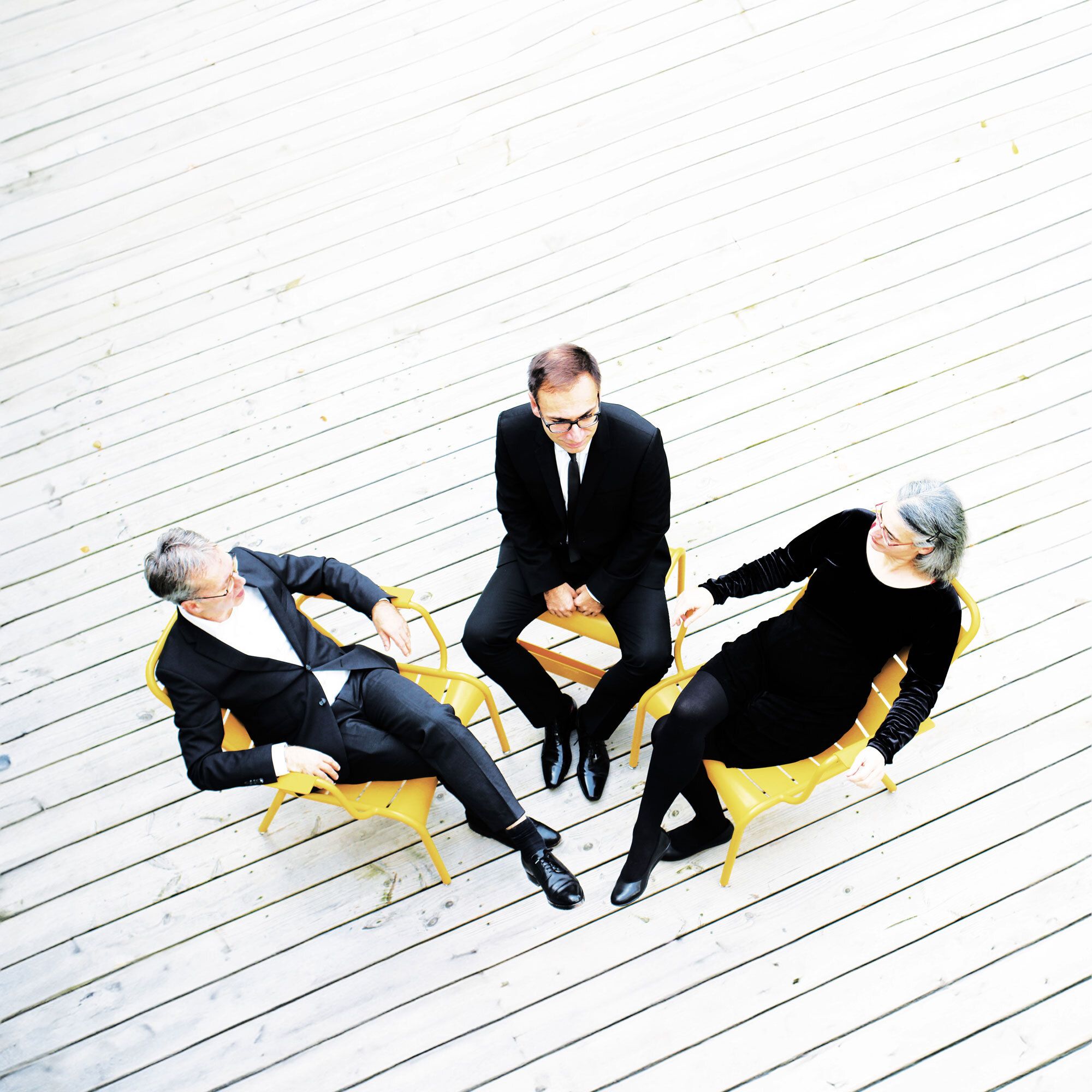
Trio Luminis
Ludwig van Beethoven’s Piano Trio, Op. 1, No. 3 in C minor and Antonín Dvořák’s “Dumky” Trio, Op. 90 are two works that, in very different ways, expand the expressive range of the piano trio. The three trios, Op. 1, were published in 1795 as Beethoven’s first major publication and introduced the young composer to a wider audience in Vienna. The C minor Trio is the boldest and most dramatic of the three works: sharp contrasts, surprising harmonic twists, and an unusual formal coherence already point toward the Beethoven of later years. Joseph Haydn is said to have advised him not to publish this particular trio at first—but Beethoven remained steadfast in his commitment to the work.
Following his three earlier piano trios, Dvořák also ventures into something entirely new with the “Dumky” Trio. The classical four-movement form is replaced by six musical images inspired by the dumka, a tradition originating in Ukraine—an interplay of wistful melancholy and exuberant joie de vivre. Like memories, the moods pass by: heartfelt songs, dance-like exuberance, moments of quiet contemplation, and passionate outbursts. Nothing feels formulaic; everything seems to unfold organically from the moment itself.
Beethoven, Op. 1, No. 3 in C minor
Antonín Dvořák “Dumky” Trio, Op. 90 in E minor
Trio Luminis
Marie Desgoutte, violin
Hristo Kouzmanov, cello
Johannes Tolle, piano